Leading landscaping trends New Zealand 2026 emphasize climate-resilient designs that integrate native plantings, sustainable materials, and water-wise irrigation systems. These trends prioritize functional outdoor living through naturalistic planting schemes and edible gardens, while also catering to urban mobility with modular container gardening solutions.
If your project quotes are being approved but clients keep pushing back on plant selections, or you're finding specified species unavailable at critical install windows, you're already feeling the pressure that's reshaping New Zealand landscaping in 2026. The industry is shifting faster than many suppliers and contractors anticipated, driven by tightening water restrictions, stronger council requirements around native planting, and a client base that now expects their outdoor spaces to work harder. Getting ahead of these changes means understanding not just what to plant, but why certain approaches are gaining ground and others are fading fast. In this guide, we cover the key planting trends defining 2026 projects across New Zealand, from expanding native palettes to edible-ornamental integration, climate-resilient species selection, and how to reliably source what you need.
What Is Shaping New Zealand Landscaping in 2026
2026 is shaping up as a defining year for professional landscaping in New Zealand. Prolonged drought across Canterbury and Hawke's Bay, alongside severe weather events in Auckland and the upper North Island, have shifted climate resilience from a design preference to a project requirement. At the same time, client expectations have moved well beyond aesthetics: sustainability, biodiversity, and long-term liveability are now standard brief inclusions. NZ landscapers also operate within a regulatory environment that overseas counterparts simply don't face. The Biosecurity Act shapes which species can be legally specified and sourced, and growing council-level biodiversity requirements are influencing plant schedules on commercial projects nationwide. This guide is written specifically for professional landscapers navigating these pressures, covering the landscaping trends shaping New Zealand in 2026 with practical, procurement-level detail.
Native Planting at the Core: Beyond Kowhai and Flax
Native planting has been a fixture of NZ landscaping conversations for years, but 2026 is the point where it moves from design preference to specification standard on a growing number of commercial and residential projects. The shift goes well beyond the usual shortlist of kowhai, flax, and manuka. Professional landscapers are increasingly drawing on a wider palette of natives to deliver planting schemes that perform across the full range of site conditions and client expectations.
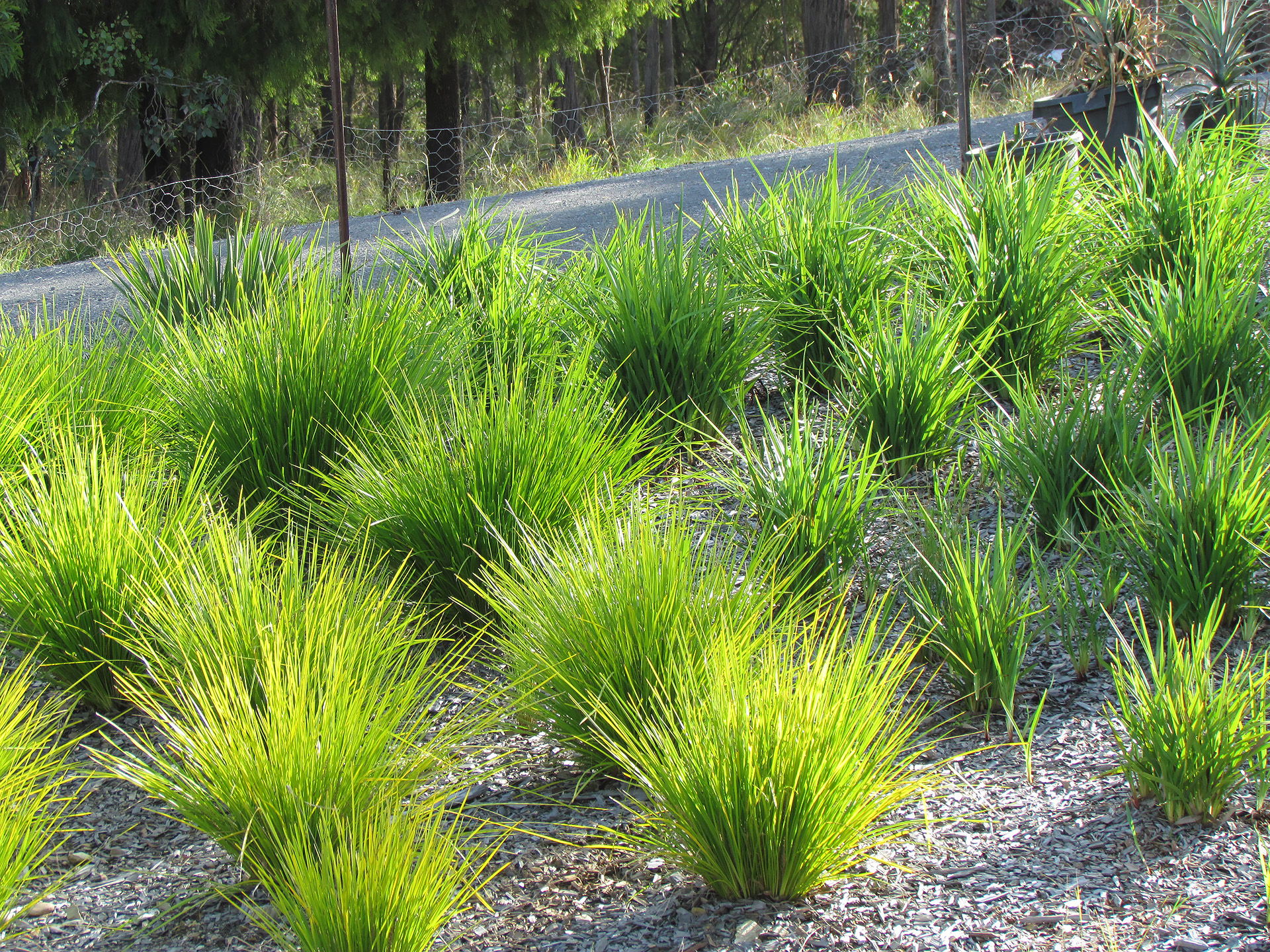
Species worth knowing for 2026 specifications include Pseudopanax crassifolius and P. lessonii cultivars, which offer strong structural form and genuine tolerance of coastal exposure. Carex species, particularly Carex secta and Carex testacea, are being widely specified for their textural versatility in both wet margins and drier sites. Coprosma cultivars continue to expand in commercial use, with selections now covering everything from groundcover to screen planting across a range of light conditions. Libertia grandiflora is appearing regularly in planting schedules for its clean white flower, evergreen habit, and genuine low-maintenance performance once established.
The reasons natives are dominating 2026 specs are practical as much as philosophical. Reduced irrigation demand is significant given water restrictions now affecting multiple regions. Pest and disease resilience lowers the long-term maintenance burden clients are increasingly factoring into their briefs. In some councils, particularly across the Auckland and Wellington regions, biodiversity requirements on new developments are directly influencing plant schedules. There is also genuine client appetite for cultural connection to the whenua, which is showing up in residential briefs and public realm projects alike.
For professional landscapers, the real constraint is not specification confidence but supply. Quality natives at the volumes required for commercial projects are not consistently available through all channels, and late ordering creates real programme risk.
Climate-Resilient Planting: Matching Species to Site Conditions
Specifying climate-appropriate species is not new advice, but the way professionals are applying it in 2026 reflects a sharper understanding of NZ's regional variability. The principle of right plant, right soil, right location means something quite different on the dry east coast of the South Island compared to the high-rainfall west coast, or the frost-prone basins of Central Otago and the Manawatu interior.
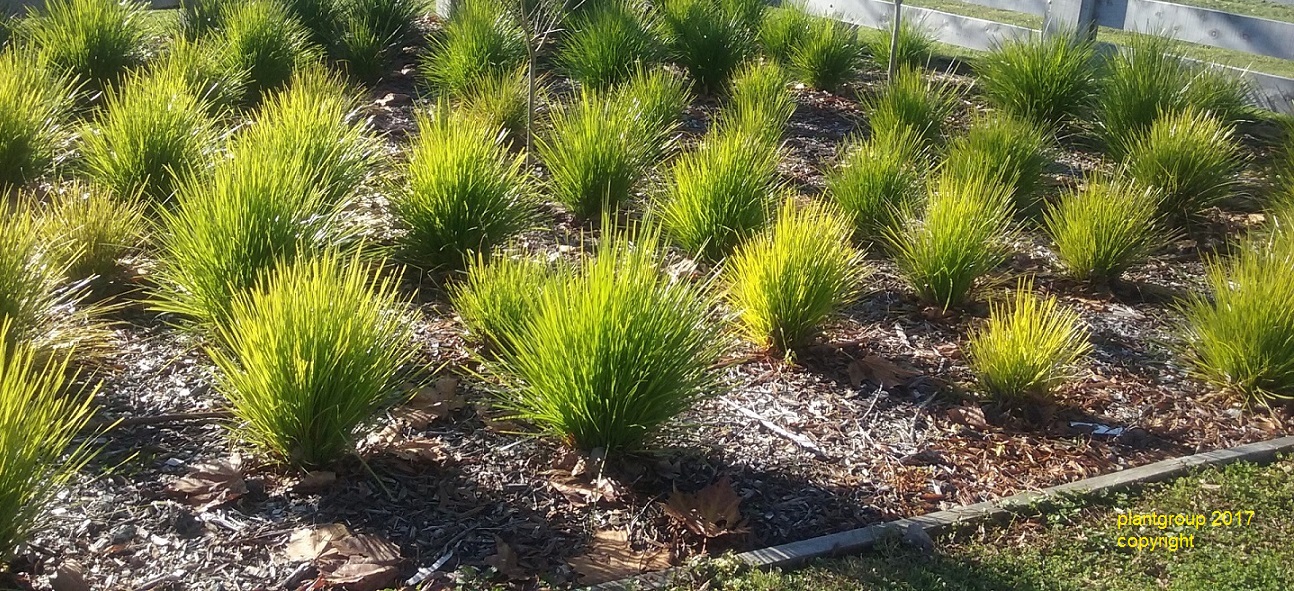
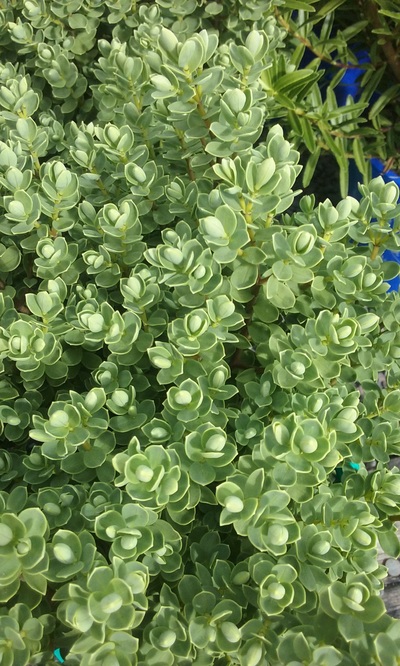
On exposed, dry east coast sites across Canterbury, Hawke's Bay, and Marlborough, planting schemes are increasingly weighted toward low-water shrubs, ornamental grasses such as Festuca and Poa species, and drought-tolerant groundcovers. Sedums and similar low-profile succulents are appearing more frequently in commercial planting schedules where irrigation infrastructure is minimal. For landscapers working in these zones, agapanthus alternatives with lower water demand are replacing traditional mass plantings; Dianella species and Arthropodium cirratum are two that are holding up well in trial conditions across drier sites.
For inland frost-prone areas, species selection shifts again. Hardiness to ground frost is a non-negotiable, and the planting window becomes especially important. Establishing root systems between May and November gives plants the seasonal runway they need to handle summer heat and drought stress without supplemental irrigation carrying the full load. Cutting corners on establishment timing creates expensive remediation work later.
Soil preparation matters more than most project timelines allow for. Amending compacted or free-draining soils before planting, and applying a genuine 100mm mulch depth rather than a token layer, significantly reduces moisture loss through the first summer. Ground covers serve a compounding function here: they reduce evaporation, suppress weed competition, and add canopy closure at the soil level that no mulch layer alone replicates.
On high-rainfall west coast and upper North Island sites, the challenge shifts from drought tolerance to drainage and root rot resilience. Species selection for these zones needs to prioritise plants that tolerate periodic waterlogging without long-term performance decline. Getting this wrong shows up slowly and expensively.
Naturalistic and Soft Planting Schemes: The Design Shift Professionals Are Specifying
The shift away from formal, structured planting is one of the more significant design movements showing up in NZ landscaping specifications right now. Rigid clipped lines, symmetrical layouts, and single-species mass plantings are giving way to layered, organic compositions that reference natural ecosystems rather than impose order on them.
In commercial contexts, this is playing out most visibly in bioretention areas and entrance gardens, where naturalistic meadow-style planting is being specified to manage stormwater while delivering genuine visual interest. These schemes blend sedges, rushes, and low-growing perennials in arrangements that function ecologically and read as designed without looking contrived. Residential projects take a different expression: ferns, grasses, and flowering perennials are layered across multiple height bands to deliver texture and seasonal variation throughout the year, rather than relying on a single flush of interest.
Specific combinations appearing regularly in NZ specifications include Astelia chathamica paired with Carex secta for contrast in form and foliage weight, and Libertia grandiflora alongside native grasses such as Anemanthele lessoniana for a flowing, lower-canopy layer that moves well in wind.
For procurement, naturalistic schemes change the ordering dynamic in a practical way. Plant density per square metre is often lower than in traditional schemes, but species variety is considerably higher. That means landscapers need access to a broad range of species in moderate quantities rather than bulk runs of single plants.
Edible Meets Ornamental: Functional Gardens in Commercial and Residential Projects
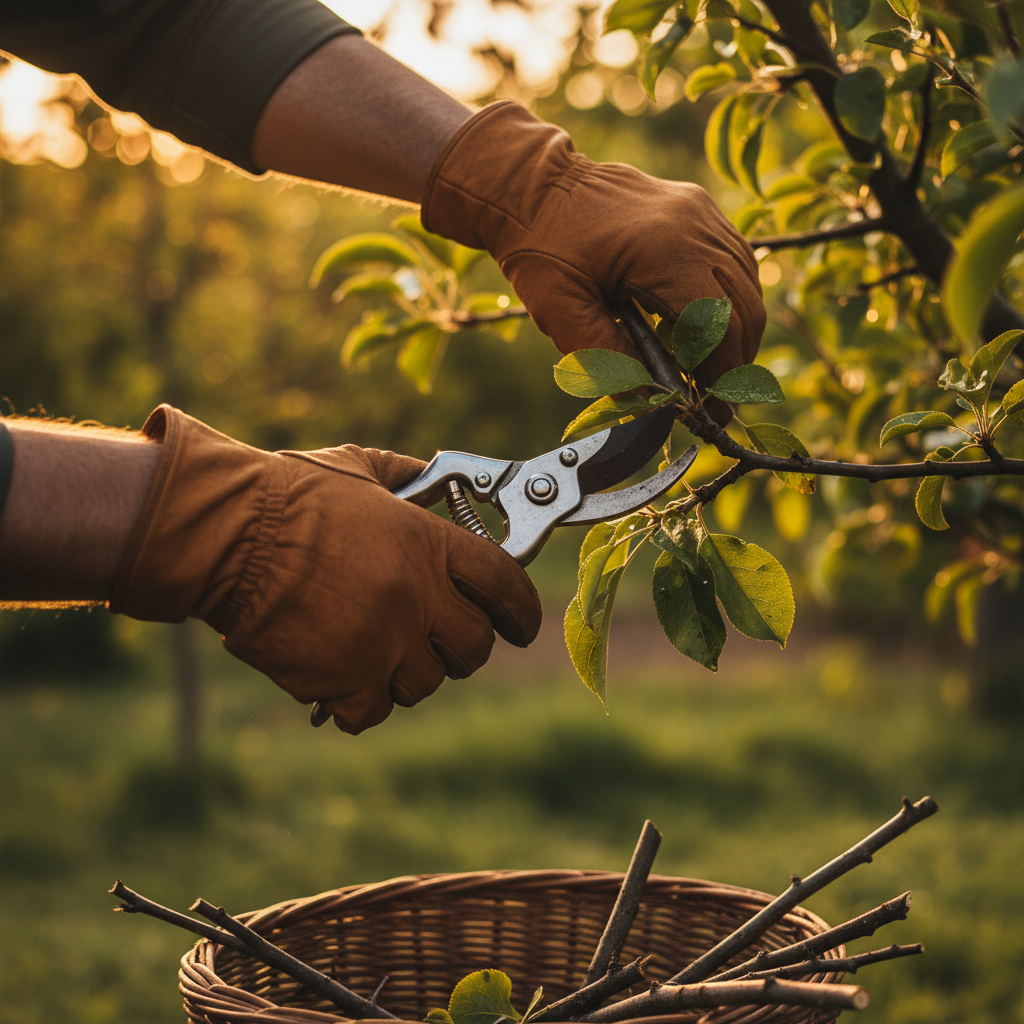
The procurement dynamic shifts again when clients move from purely ornamental briefs to functional ones. Edible and ornamental planting is appearing with increasing regularity across high-end residential projects, hotel courtyards, corporate office grounds, and school gardens throughout New Zealand, and it is changing what landscapers need to have on hand.
The plant combinations being specified are genuinely dual-purpose rather than token additions. Feijoa hedges are replacing traditional screening species on residential boundaries, offering year-round privacy alongside harvestable fruit. Blueberry borders provide seasonal colour and low-maintenance structure in commercial entrance gardens. Herb borders, particularly rosemary, thyme, and lemongrass, are being integrated alongside ornamental perennials in hospitality settings where the sensory and culinary appeal is a deliberate design outcome. Espaliered fruit trees against boundary fences are appearing more frequently in compact urban sections where productive planting needs to work within tight footprints.
For landscapers, the procurement challenge is practical: sourcing ornamental species and productive species from separate suppliers adds cost and coordination time to projects. Having access to both through a single wholesale supplier simplifies ordering and reduces the risk of mismatched delivery timing.
Outdoor Living and Wellness Zones: Planting to Support People Spaces
The planting brief for outdoor wellness spaces is distinct from general landscaping work, and it is showing up with increasing regularity in 2026 project specs. Clients commissioning these spaces want planting that actively contributes to the sensory experience: fragrance near seating areas, shade overhead, and visual enclosure that creates a sense of separation from neighbouring properties.
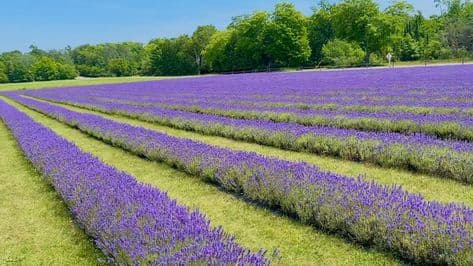
Fragrant species are being specified with intention rather than as afterthoughts. Lavender and rosemary perform well in the drier, sunnier positions typical of north-facing outdoor rooms, while Pittosporum tenuifolium cultivars are appearing in sheltered urban settings where their delicate evening fragrance and year-round structure serve a dual function. Canopy trees are being specified not just for shade but for acoustic softening, reducing ambient noise intrusion in urban sections where outdoor rooms sit close to boundaries or streets.
Privacy screening is a consistent requirement on the shrinking sections common across Auckland, Wellington, and Christchurch. The planting response needs to deliver enclosure efficiently without overwhelming the space or creating long-term maintenance obligations.
This is where species longevity and low input requirements matter most to clients. Wellness-oriented spaces are rarely accompanied by large maintenance budgets, so plant selection needs to perform reliably over time without regular intervention. Specifying the right species from the outset protects both the project outcome and the client relationship.
What Landscaping Trends Are Going Out of Style in 2026
The turn away from wellness-oriented planting toward a harder question: what is being quietly dropped from NZ landscaping specifications in 2026?
Monoculture lawns are the most significant casualty. The combination of water restrictions across Canterbury, Hawke's Bay, and Auckland, alongside rising fertiliser and chemical input costs, is making large-format turf increasingly difficult to justify on commercial and residential projects alike. Clients are asking the question before landscapers do.
Formal clipped Buxus hedging faces a compounding problem. Beyond the design shift toward softer, layered schemes, box blight pressure is now a documented risk in New Zealand, and specifying Buxus on a project that fails in three years is a reputation issue as much as a plant health one.
Single-species mass plantings are also being phased out in favour of the varied compositions covered earlier in this guide. And Leyland cypress, long the default fast-screen solution, is giving way to layered native screening using Coprosma, Pittosporum, and Pseudopanax combinations that deliver privacy without the long-term maintenance and scale problems that fast-growing conifers create.
High-maintenance tropical exotics remain a recurring conversation. Species that require significant frost protection or irrigation to survive outside the upper North Island are appearing less frequently in specifications as climate-appropriate planting becomes a more explicit client expectation.
How to Source the Right Plants for 2026 Projects Across New Zealand

Acting on the trends covered throughout this guide requires more than specification confidence. It requires reliable access to the right species, in the right volumes, before the May planting window opens. That procurement lead time is the practical constraint that separates well-executed projects from those that get value-engineered at the last minute because key species were unavailable.
The challenge is compounded in 2026 by the breadth of species now being specified. Naturalistic schemes, native-led palettes, and edible-ornamental combinations all draw from different parts of the plant supply chain. Coordinating across multiple suppliers introduces timing risk, minimum order friction, and the very real possibility that deliveries arrive out of sequence with your installation programme.
Sourcing natives, ornamentals, and productive species through a single wholesale supplier simplifies that process. Nationwide plant delivery means supply reliability extends beyond local availability, which matters increasingly as project scales grow and specifications become more species-diverse. The landscapers staying ahead of 2026 demand are the ones placing orders now.
As we look toward 2026, the focus of New Zealand landscaping is clearly shifting toward sustainability and climate resilience. Balancing these evolving trends with practical maintenance requires a thoughtful approach to design and selection. If you want expert help navigating these changes for your next project, choosing the right Plants is a vital first step. Our team is here to provide the guidance and high-quality stock needed to ensure your vision thrives in our unique environment.