Selecting the best hedging plants New Zealand offers depends on your specific needs; popular choices include Griselinia littoralis for fast-growing privacy and Corokia for hardy native screening. Buxus and Pittosporum are also highly recommended for formal borders or dense evergreen foliage in various regional climates. These varieties ensure a balance of aesthetic appeal and functional durability for any Kiwi garden.
Selecting the perfect hedging for a New Zealand property often feels like a gamble against our volatile weather patterns. You might invest heavily in a privacy screen only to see it succumb to a harsh South Island frost or wither under the relentless salt spray of a coastal site. This mismatch between plant and place does more than just ruin your landscaping aesthetic; it wastes valuable time and capital. At Plantgroup, we understand that a successful hedge requires a strategic approach tailored to your specific microclimate. In this guide, we provide an expert breakdown of the best hedging varieties for every corner of the country. You will learn which species thrive in the humid north, how to combat extreme alpine conditions, and which native selections offer the lowest maintenance for professional and residential success.
Understanding New Zealand's Diverse Microclimates for Hedging
Successful landscaping in New Zealand requires a deep understanding of local environmental variables. A one size fits all approach to selecting hedging plants New Zealand invariably leads to failure, as the climatic requirements of a site in Northland differ vastly from those in Central Otago. The Southern Alps act as a significant topographical barrier, creating rain shadows and intense alpine frosts across the South Island, while the North Island’s sub-tropical influences bring high humidity and unique pest pressures that can compromise plant health.
Professional projects must account for three primary environmental stressors: salt spray, high wind, and heavy frost. Coastal developments require species with specialized leaf structures to resist salt desiccation, whereas inland regions demand extreme frost tolerance to survive the winter dormant period. At Plantgroup New Zealand, our role as a nationwide supplier provides us with unique insight into these geographic nuances. We maintain a wide range of plant varieties specifically selected to thrive in these varied conditions.
We assist professionals in matching the right species to their specific microclimate, ensuring long-term success for commercial and residential boundaries. Our nationwide delivery and freight infrastructure ensures that regardless of the regional challenges, the correct stock arrives in peak condition for immediate establishment.
Best Hedging Plants for Auckland and the Upper North Island
In Auckland and the Upper North Island, the primary challenges for hedging plants New Zealand are high humidity and sustained warmth, which can exacerbate fungal issues and pest pressure. Eugenia ventenatii, commonly known as Lilly Pilly, remains a top selection for tall, fast growing screens due to its elegant weeping habit and glossy foliage. However, professional landscapers must account for the psyllid insect, which causes unsightly dimpling and puckering on new growth. While regular preventative spraying can manage this, selecting resistant cultivars or providing optimal soil nutrition is essential for maintaining a clean aesthetic on high visibility commercial sites.
For clients seeking sensory appeal alongside privacy, Michelia figo (Port Wine Magnolia) is an exceptional performer in northern microclimates. Its dense, evergreen foliage responds well to clipping, while its heavy, banana scented fragrance makes it a preferred choice for residential boundaries near decks or entryways. It thrives in the consistent temperatures of Northland and Auckland, provided it has protection from the most severe salt winds.
Plant Species | Ideal Use | Key Benefit | Maintenance Note |
|---|---|---|---|
Eugenia ventenatii | Tall Screening | Rapid growth; weeping habit | Monitor for psyllid dimpling |
Michelia figo | Medium Border | Fragrant flowers; dense | Slow to moderate growth rate |
Buxus 'Green Gem' | Low Formal Hedge | Disease resistance | Superior airflow required |
Standard Buxus sempervirens is frequently specified for formal borders, yet the stagnant, humid air of urban Auckland often leads to Buxus blight. We recommend Buxus 'Green Gem' as a hardier alternative, as it demonstrates significantly better resistance to disease in North Island conditions. When designing these low borders, ensuring adequate airflow through proper site placement and avoiding overhead irrigation is critical to maintaining plant health. We provide access to these specialized cultivars, supported by our nationwide delivery and freight network to ensure stock arrives in optimal condition for immediate installation.
Coastal Specialists: Hedges That Withstand Salt and Wind
Professional landscapers frequently ask, "Can I plant hedges in coastal areas?" The answer is a definitive yes, provided the selection prioritizes species evolved for extreme exposure. Coastal environments subject hedging plants New Zealand to constant salt desiccation and mechanical wind damage, which can quickly defoliate less resilient species. For these demanding sites, we recommend "tough as nails" natives like Coprosma (Mirror Bush) and Corokia.
The success of these plants lies in their specialized leaf morphology. Coprosma varieties feature high-gloss, waxy foliage that creates a physical barrier against salt spray, allowing the salt to roll off rather than penetrate the leaf tissue. Conversely, Corokia cultivars such as 'Geenty's Ghost' or 'Frosted Chocolate' utilize a dense layer of silver hairs on the leaf underside to trap moisture and reflect intense coastal light. These adaptations make them indispensable for frontline salt exposure.
Species | Cultivar Recommendation | Primary Benefit |
|---|---|---|
Coprosma | 'Repens' / 'Middlemore' | High salt tolerance; waxy foliage |
Corokia | 'Geenty's Ghost' | Frost hardy; wind resistant; architectural |
Metrosideros | 'Mistral' / 'Maori Princess' | Best for large-scale windbreaks |
For larger properties requiring significant wind protection, Metrosideros excelsa (Pohutukawa) varieties provide a robust, structural solution. However, effective windbreak design requires precision. A critical professional tip for coastal spacing is to avoid creating an entirely solid wall. If a hedge is 100% impermeable, it creates a vacuum effect that causes wind to tumble over the top, creating destructive turbulence on the leeward side. Spacing larger species at 1.0 to 1.5 metre centers allows the canopy to filter the wind rather than block it entirely, which significantly reduces velocity while preventing the associated down-draughts. Our wide range of plant varieties includes these specialized coastal performers, available through our website with nationwide delivery and freight to ensure your project receives site-ready stock.
Hardy Selections for the South Island and Alpine Conditions

Moving from the salt-laden coast to the interior and alpine regions of the South Island necessitates a selection of hedging plants New Zealand professionals can rely on for extreme frost tolerance and the ability to bear snow loads. Olearia macrodonta (Mountain Holly) is a premier choice for high-altitude sites; its leathery, serrated foliage is naturally adapted to resist breakage under heavy snow and withstand biting alpine winds. Unlike softer species, its woody structure remains resilient during prolonged sub-zero events.
For structural screening in southern landscapes, Griselinia littoralis (Broadleaf) is a regional staple. While its northern cousin Griselinia lucida prefers milder climates, littoralis is exceptionally hardy. However, a common pitfall in the South Island is planting it in heavy, compacted clays. Without proper drainage, this species is highly susceptible to Phytophthora root rot. In these conditions, we recommend incorporating soil conditioners or creating raised mounds to ensure successful establishment.
Species | Best For | Frost/Snow Tolerance |
|---|---|---|
Olearia macrodonta | Alpine boundaries | Excellent; snow resistant |
Pittosporum tenuifolium | Versatile screening | High; adapts to most soils |
Griselinia littoralis | Shelter belts | High; requires good drainage |
Landscapers should note that growth rates in the South Island are generally 20 to 30 percent slower than in the North Island due to the shorter growing season. To compensate for this metabolic lag, we advise spring planting. Establishing the root system in warming soils allows the plant to anchor securely before the first hard winter frost. At Plantgroup New Zealand, our wide range of plant varieties are hardened off to ensure they perform in these rigorous environments.
Fast Growing Hedge Plants for Rapid Privacy Screens
Achieving immediate screening is a common requirement for new developments where privacy is paramount. When addressing the frequent inquiry regarding the fastest growing hedge bush, the industry standard focuses on two primary contenders: Griselinia littoralis 'Broadway Mint' and Pittosporum tenuifolium. Both species are staples in our wide range of plant varieties due to their reliable performance across various regions.
Under optimal conditions, including balanced spring fertilization and consistent moisture, these plants can achieve vertical growth of approximately 1 metre per year. However, professionals must advise clients on the inherent trade-off; rapid establishment necessitates a rigorous maintenance schedule. To maintain a dense, formal appearance, these species often require pruning three times per growing season to prevent the canopy from becoming thin or woody at the base.
Species | Growth Rate | Primary Use | Maintenance Level |
|---|---|---|---|
Griselinia 'Broadway Mint' | Up to 1m / year | Dense privacy screening | High; requires frequent tipping |
Pittosporum tenuifolium | 0.8m - 1m / year | Textured boundaries | Moderate to high |
Cupressocyparis leylandii | 1m+ / year | Rural shelter belts only | Very high; extreme scale |
While Cupressocyparis leylandii (Leyland Cypress) is arguably the quickest to reach height, it is rarely suitable for residential landscaping. Its massive eventual scale makes it a liability in urban settings; instead, it should be reserved for large rural boundaries where space is not a constraint. For projects requiring these high-performance hedging plants New Zealand landscapers can access bulk stock through our website with nationwide delivery and freight ensuring rapid site arrival.
Low Maintenance and Small Native Hedges
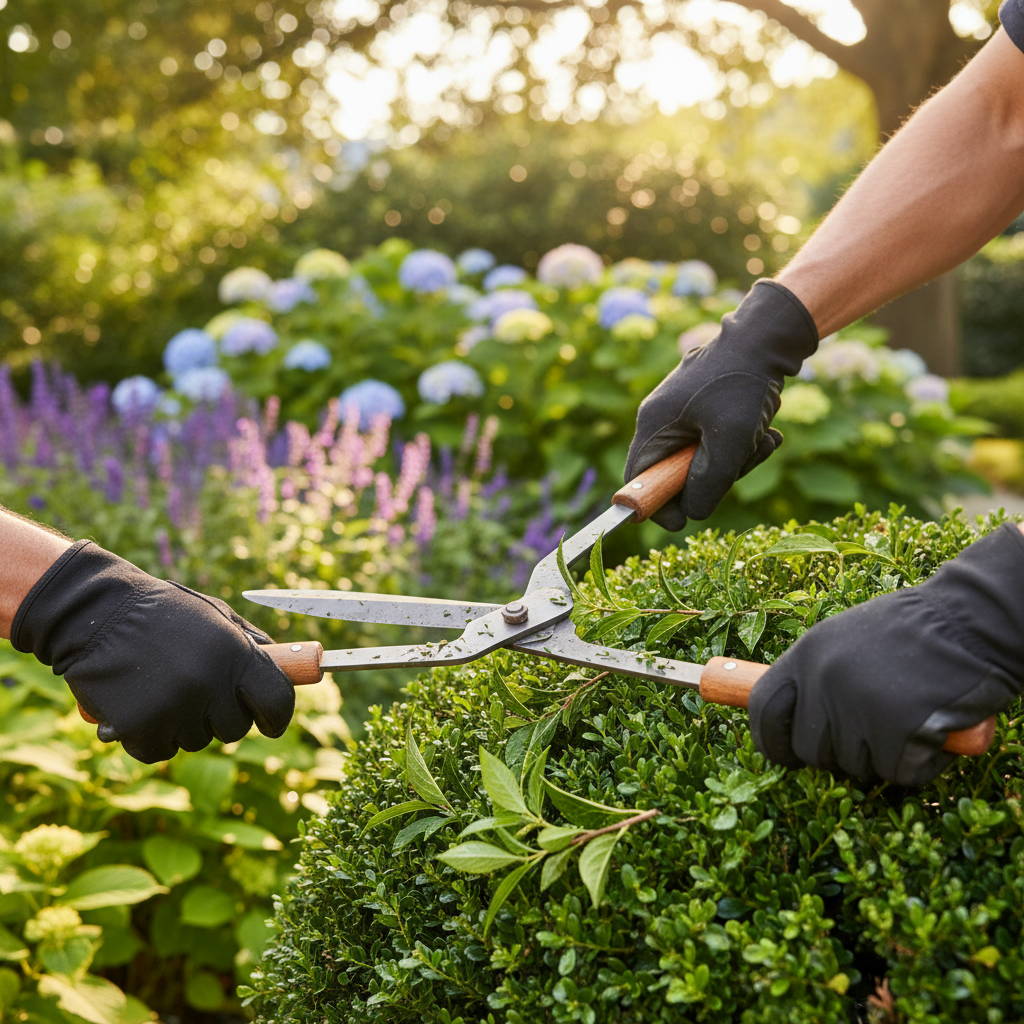
Commercial landscaping projects frequently prioritize "set and forget" solutions to reduce long-term operational costs. For formal, low-height borders, Buxus sempervirens remains the industry staple; it provides a crisp, architectural edge that defines pathways and garden beds with minimal lateral spread. However, for sites where Buxus blight is a concern or where a native aesthetic is preferred, Corokia species offer a more resilient alternative. Corokia cotoneaster and its cultivars maintain a dense, twiggy habit that responds exceptionally well to tight clipping, mirroring the formal look of boxwood while offering greater tolerance to fluctuating soil moisture and wind exposure.
When installing these compact hedging plants New Zealand professionals generally adhere to a 30 to 40cm spacing rule. This density ensures the root systems establish a continuous subterranean network while the canopy knits together quickly to suppress weed growth and create a seamless line. Beyond the aesthetic and functional benefits, choosing native varieties from our wide range of plant varieties supports local biodiversity. These hedges serve as vital ecological corridors for native birds and insects, providing forage and transit routes within fragmented urban environments. Landscapers can source high-quality, uniform stock through our website with nationwide delivery and freight ensuring plants arrive in peak condition for precision planting.
Professional Planting and Maintenance for Commercial Success
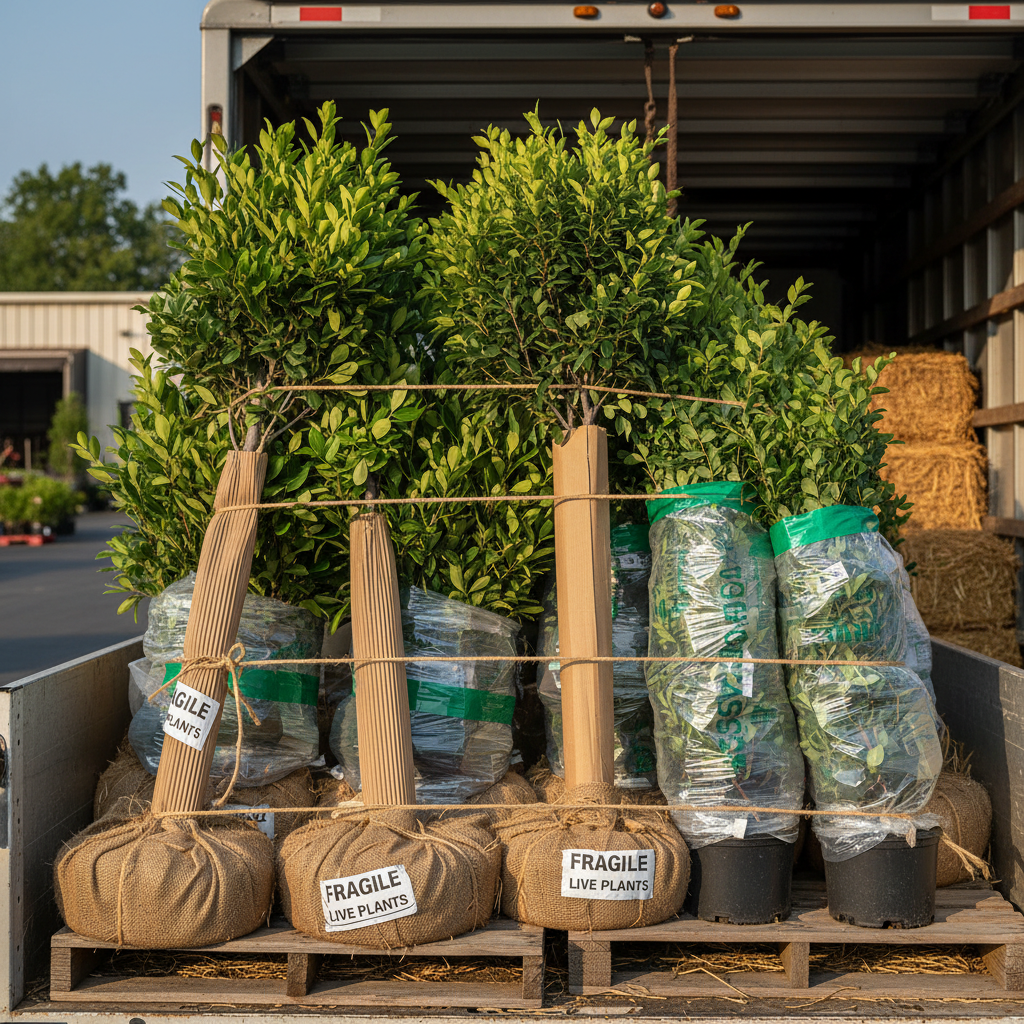
The long-term viability of hedging plants New Zealand depends entirely on the precision of initial site preparation and ongoing maintenance protocols. For professional installations, soil remediation is the first priority. In heavy clay regions, common in parts of Auckland and the Waikato, incorporating gypsum is essential to break down the clay structure and improve drainage without significantly altering the soil pH. Conversely, for sandy coastal sites, the addition of composted organic matter is necessary to increase water retention and nutrient holding capacity.
Soil Type | Primary Amendment | Application Goal |
|---|---|---|
Heavy Clay | Gypsum | Improve drainage and aeration |
Sandy/Coastal | Organic Matter/Compost | Increase moisture and nutrient retention |
All Types | Slow-Release Fertilizer | Balanced spring growth support |
Establishing a robust root system requires consistent irrigation throughout the first two growing seasons, even for drought-tolerant species. This ensures the asset matures into a dense, functional screen rather than a patchy boundary. We recommend a balanced, slow-release fertilizer application in early spring to coincide with the primary growth flush. This provides the necessary phosphorus and nitrogen levels to support the rapid development of new foliage and wood.